

Overview of Golf Shaft Characteristics
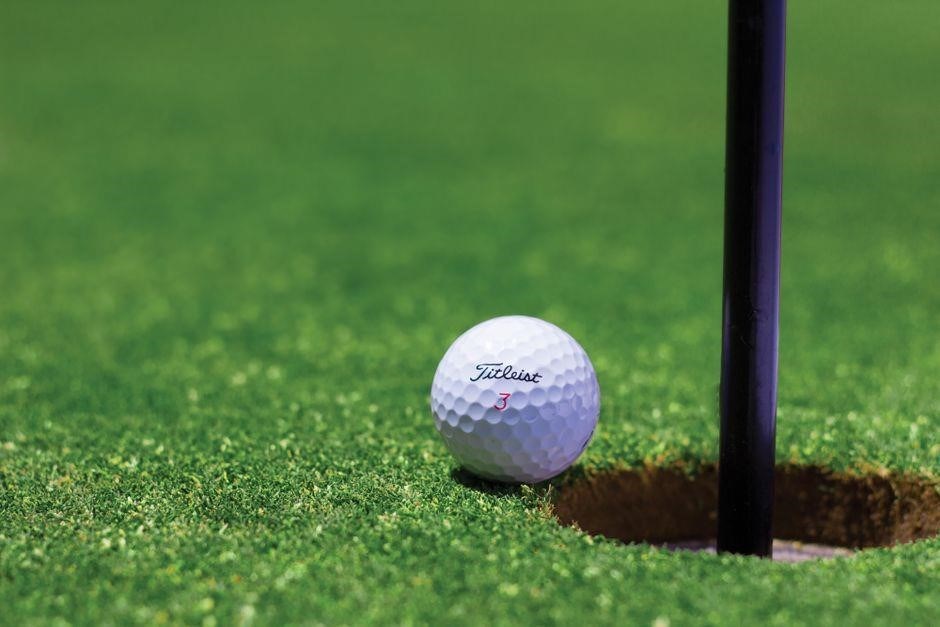
Golf shaft guide highlights key variables: length, flex, swingweight. These factors shape club behavior, ball flight, and fit. Understanding each helps match shaft to height, tempo, strength, and swing style for optimal performance. All in all.Bye!
Key Performance Variables
In a comprehensive golf shaft guide, the three pillars that dictate how a shaft behaves during a swing are length, flex, and swingweight. Length determines the overall reach and the arc the clubhead follows, influencing launch angle and distance. Flex, the shaft’s ability to bend under load, governs the timing of the shaft’s release and the resulting ball spin; it must match a player’s swing speed and tempo to avoid unwanted slices or hooks. Swingweight, a weighted measurement that reflects the combined effects of length and flex, balances the combined effects of length and flex, ensuring that the club feels neither too heavy nor too light during the swing. Together, these variables create a cohesive system that translates a golfer’s physical attributes and swing characteristics into predictable ball flight. Selecting the right combination requires a nuanced understanding of how each factor interacts, and professional fitting tools can quantify these relationships to deliver a shaft that feels natural and performs consistently.
Additional factors such as moment of inertia and torque influence shaft behavior, but they are to length, flex, and swingweight. A precise fit balances all these elements for optimal play.now
Importance of Shaft Fit
Choosing the right shaft is pivotal for consistent performance and injury prevention. A shaft that aligns with a golfer’s body mechanics and swing tempo translates power into efficient ball launch, while a misfit can lead to erratic flight, reduced distance, and increased fatigue. Proper fit ensures that the club’s center of gravity and moment of inertia work harmoniously with the player’s natural swing rhythm, allowing for smoother transitions and better control over shot shape. Moreover, a well‑matched shaft reduces the likelihood of compensatory swings that often result in inconsistent contact and unwanted spin. By tailoring shaft characteristics to individual strengths and weaknesses, players can achieve a more predictable trajectory, improved accuracy, and a heightened sense of confidence on the course. Ultimately, the right shaft fit is not merely a technical consideration but a foundational element that supports long‑term performance, consistency, and enjoyment of the game. When a shaft is properly matched, the golfer experiences a seamless blend of power, precision, and comfort, allowing them to focus on strategy rather than equipment adjustments, ultimately elevating performance and enjoyment across all rounds daily.!
Shaft Length Considerations
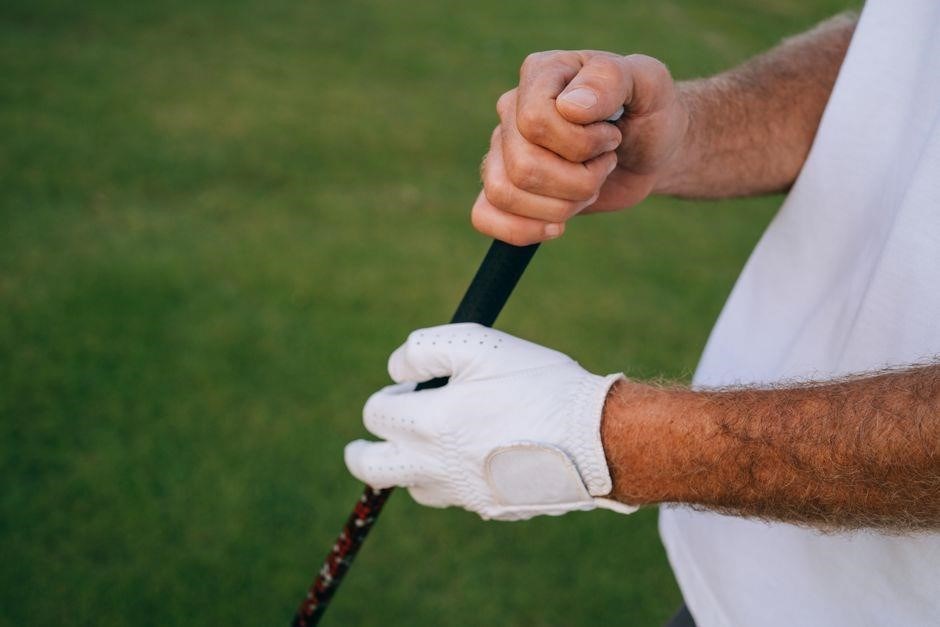
Length affects swing path, launch angle, and feel. A longer shaft can add swing speed may reduce control; a shorter shaft offers precisionbut limits distance. Measure with a fitting tool, consider height, arm span, swing tempo for length now.
The length of a shaft directly shapes the mechanics of a golfer’s swing. A longer shaft extends the swing arc, allowing a greater range of motion and potentially higher clubhead speed, but it also demands more precise timing to avoid over‑extension. Shorter shafts compress the arc, producing a tighter swing that can improve control and consistency, especially for players with slower tempos. Length influences the point of contact on the clubface; a longer shaft often pushes the impact point closer to the heel, which can increase spin and lower launch, while a shorter shaft brings the impact nearer the center, promoting a cleaner strike and higher ball flight. Additionally, shaft length affects the moment of inertia, altering how the club reacts to off‑center hits—longer shafts tend to dampen wobble, whereas shorter shafts can amplify it. The swing’s rhythm is also altered; longer shafts require a more deliberate tempo to maintain balance, whereas shorter shafts allow quicker, more aggressive swings. Ultimately, the optimal length aligns with a player’s height, arm span, swing speed, and desired ball trajectory, ensuring that mechanical advantages translate into consistent, powerful shots.
Length tweaks angle spin control for play!
Measuring and Selecting Optimal Length
To determine the best shaft length, start by measuring the distance from the ground to the top of the golfer’s head while standing upright. Subtract 2–3 inches for a driver, 1–2 inches for irons, and 0.5–1 inch for wedges. This “ideal length” aligns the clubface with the target line at address, promoting a natural swing path. Next, assess swing tempo: a faster tempo often benefits from a slightly longer shaft to maximize arc, whereas a slower tempo may require a shorter shaft to maintain rhythm and control. Use a launch monitor or a fitting session to record swing speed, ball speed, and launch angle; compare these metrics across shafts of varying lengths to see which produces the desired ball flight and spin. Pay attention to the “sweet spot” on the face; a shaft that places impact closer to the center reduces off‑center penalties. Also consider the moment of inertia: longer shafts increase M.O.I., helping stabilize the club during impact, while shorter shafts offer a lighter feel for quick swings. Finally, balance the length with shaft flex and torque: a longer shaft paired with a stiffer flex can generate higher clubhead speed, but may feel less forgiving if the golfer’s swing is inconsistent; By integrating height, tempo, swing speed, and launch data, a fitter can recommend a shaft length that optimizes performance, consistency, and comfort for each individual player.

Shaft Flex and Swing Speed
Flex selection hinges on swing speed. Stiff shafts suit 97–104 mph deliveries; regular fits 84–96 mph. Matching flex to tempo improves launch, spin, and accuracy. Flex choice directly affects launch angle!

Flex Types and Swing Speed Ranges
Choosing the correct shaft flex is essential for aligning club performance with a player’s swing speed. Modern manufacturers categorize flex into several distinct groups, each designed to accommodate a specific range of swing velocities. The most common classifications are:
- Stiff (S) – Ideal for swings between 97 and 104 mph. This flex is prevalent among serious male recreational golfers who generate high clubhead speeds. A stiff shaft delivers a lower launch angle and reduced spin, helping to control slices and produce a straighter trajectory.
- Regular (R) – Suited for speeds from 84 to 96 mph. Regular flex is the largest segment of the market, covering the majority of recreational players. It offers a balanced launch and spin profile, making it a versatile choice for those who want consistent ball flight without excessive loft;
- Senior (Se) – Designed for slower swings, typically below 70 mph. Senior shafts provide a more pronounced bend, increasing launch and spin to help players achieve better distance despite lower clubhead speed.
- Super Stiff (SS) – Targeted at elite players with swings exceeding 104 mph. The extra stiffness reduces shaft flex, allowing for maximum control and precision at very high speeds.
When selecting a shaft, players should measure their swing speed using a launch monitor or a calibrated radar device. Matching the measured speed to the appropriate flex range ensures that the shaft’s bend profile complements the player’s tempo and rhythm, resulting in optimal launch conditions, spin rates, and overall accuracy.

Choosing the Right Flex for Your Game
To find the best flex, start by measuring your swing speed with a launch monitor or radar. Match that speed to the flex ranges: Super Stiff for >104 mph, Stiff for 97–104 mph, Regular for 84–96 mph, Senior for <70 mph. A shaft that bends too much will launch high and spin excessively, producing a slice; too stiff and it will feel harsh, limiting control. Consider your body type and tempo: a taller, faster player often benefits from a stiffer shaft, while a shorter, slower swing may need a more flexible option. Also, evaluate how the shaft feels during a practice swing; a shaft that feels too loose or too rigid can disrupt rhythm. Finally, test multiple shafts in a fitting session to compare launch, spin, and accuracy before committing to a purchase. Remember that clubhead speed is only one factor; swing tempo, release point, and personal preference also influence shaft choice. A professional fitting can reveal subtle differences in feel that affect consistency. Experimenting with a range of shaft weights and torque levels will help you identify the combination that delivers the most reliable ball flight for your game. If unsure,try a fitting kit that compares shafts side‑by‑side for feel and performance.
Common Flex-Related Issues
Flex‑related problems often stem from a mismatch between a player’s swing speed and the shaft’s bend profile. A shaft that is too stiff for a slower swing will launch the ball low and produce a hook, while a shaft that is too flexible for a fast swing will launch high and spin, resulting in a slice. Players may also experience inconsistent ball flight when the shaft’s torque is not balanced with its flex; high‑torque shafts can feel “soft” and lead to a loss of accuracy, whereas low‑torque shafts can feel “tight” and produce a “stiff” feel that hampers rhythm. Another common issue is “over‑release” where a shaft that bends too much encourages a late release, causing a loss of control and a tendency to pull the ball. Conversely, “under‑release” with a stiff shaft can cause a “push” or a tendency to hit the ball too far forward, leading to a short, low trajectory. Finally, a shaft that is not properly matched to a player’s body type or swing tempo can feel uncomfortable, causing fatigue and a decline in performance over a round. Addressing these issues typically requires professional fitting that measures swing speed, tempo, release point, torque to select correct flex torque combination for optimal consistency accuracy.

Torque and Shaft Twist
Torque measures shaft twist under load. Low torque shafts resist twist, giving precision. High torque shafts flex more, offering softer feel but less accuracy. Matching torque to swing style improves every control.
Understanding Torque Ratings
Torque is the amount of twist a shaft can endure before it deforms during a swing. It is expressed in degrees of rotation per 100 inches of shaft length, and it directly influences clubhead speed, feel, and accuracy. A low‑torque shaft (e.g., 2.5°–3.5°) resists bending, keeping the clubface more stable and delivering a tighter ball flight. This is ideal for players with a fast, controlled swing who need precision. A high‑torque shaft (e.g., 4.5°–5.5°) flexes more, allowing a softer feel and a higher launch angle, which can help players who struggle to keep the clubface square. Torque ratings are often paired with weight and flex data on a shaft’s specification sheet, and golfers should match the torque to their swing tempo and strength. A mismatch can lead to inconsistent ball striking, slice or hook tendencies, and reduced distance. Professional fitting labs use torque gauges to measure a shaft’s twist under load, ensuring the selected shaft aligns with a player’s biomechanics. In practice, a golfer who swings with a moderate tempo and moderate strength may find a mid‑torque shaft (3.5°–4.5°) to be the sweet spot, balancing stability and feel. Ultimately, understanding torque ratings empowers players to make informed choices that enhance performance and consistency. When selecting a shaft, consider how torque interacts with flex and weight; a well‑balanced combination can dramatically improve launch conditions and shot shape.
Low vs High Torque Shaft Effects
Low‑torque shafts resist bending, keeping the clubface stable and delivering tighter ball flights. They feel stiffer but offer greater accuracy, ideal for fast, controlled swings that demand precision. High‑torque shafts flex more, allowing a softer feel and higher launch angles, which benefit players who struggle to square the clubface. However, increased twist can reduce precision, leading to inconsistent ball striking, slices or hooks, and lower distance. Typical low‑torque ranges are 2.5°–3.5°, while high‑torque shafts often fall between 4.5°–5.5°. Matching torque to swing tempo and strength is crucial; a mismatch can compromise launch conditions and shot shape. Professional fitting labs gauge torque by measuring shaft twist under load, ensuring the chosen shaft aligns with a player’s biomechanics. In practice, a mid‑torque shaft (3.5°–4.5°) often balances stability and feel for moderate tempos and strengths. Understanding these effects helps golfers select shafts that enhance performance, consistency, and overall feel.
Choosing the right torque is a balancing act between feel, launch, and precision; faster swingers gain and tighter shots with lower torque, while slower players may prefer higher torque for softerand feel.
Shaft Material and Profile Selection
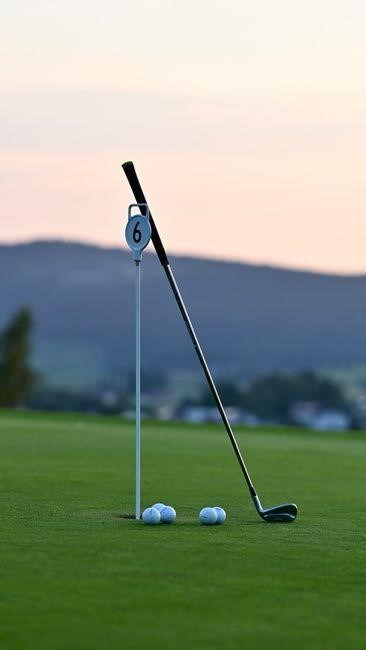
Steel shafts provide durability and a solid feel, while graphite reduces weight for higher swing speed. Profile variations—heavy, light, or mid—alter launch and spin. Selecting the right combination tailors each club to a player’s swing style.
Steel vs Graphite Shafts

Steel shafts, traditionally favored for their robust construction, deliver a consistent feel and a predictable ball trajectory. Their denser composition offers a tighter feel at impact, which many players associate with greater control and accuracy. However, the added mass can limit swing speed, especially for those with slower tempos or less upper-body strength. Graphite shafts, conversely, are engineered for lighter weight, allowing golfers to achieve higher clubhead speeds with less effort. The reduced mass translates into a more pronounced “whip” effect, which can enhance distance for players with a smooth, fluid swing. When selecting between steel and graphite, golfers should consider their swing speed, desired launch conditions, and personal comfort. A stiffer steel shaft may suit a powerful, fast swing, while a more flexible graphite shaft can benefit those seeking additional distance without sacrificing control. Ultimately, the choice hinges on balancing weight, feel, and performance to align with individual play style. Choosing the right shaft also involves evaluating torque ratings, which influence how much the shaft twists during a swing, and balancing weight distribution to achieve launchnow spin characteristics Ultimately, the choice of shaft is a blend of science and feel, where precise measurements meet a golfer’s swing rhythm to unlock maximum performance!
Profile Variations and Their Impact
Shuttle shaft profiles differ in weight distribution along the length, influencing launch, spin, and feel. A “heavy‑end” profile concentrates mass near the clubhead, producing a lower, more penetrating ball flight and a tighter feel that many long‑iron players prefer. Conversely, a “light‑end” profile places more weight toward the grip, encouraging higher launch angles and increased spin, which can benefit players seeking extra distance on wedges. “Mid‑end” shafts offer a balanced compromise, delivering moderate launch and spin while maintaining a neutral feel. These variations also affect torque and flex behavior; heavy‑end shafts typically exhibit lower torque, reducing shaft twist and enhancing accuracy, whereas light‑end shafts may allow more twist, adding softness to the swing. Selecting the correct profile requires evaluating swing tempo, ball speed, and desired trajectory. A player with a fast, aggressive swing might benefit from a heavy‑end shaft to control over‑spin, while a slower swing may find a light‑end shaft more forgiving. Ultimately, profile choice is a nuanced decision that blends mechanical characteristics with a golfer’s personal preference and performance goals. Choosing the shaft blends and feel, unlocking potential now.
Torque-Weight Balance in Different Materials

In shaft selection, torque and weight interplay varies markedly between steel and graphite. Steel shafts, with higher density, naturally offer higher torque values for a given flex, which can translate into tighter clubhead control but a stiffer feel. Graphite, being lighter, tends to have lower torque, allowing more shaft twist and a softer swing sensation. However, manufacturers counterbalance this by designing graphite shafts with engineered weight distributions—adding mass at the clubhead or mid‑shaft to raise torque without sacrificing weight advantage. The result is a graphite shaft that can match steel’s control while retaining its weight benefits. Players seeking precision often gravitate toward steel for its higher torque, whereas distance‑oriented golfers favor graphite’s lower torque and lighter weight. The optimal torque‑weight balance ultimately depends on swing speed, tempo, and personal feel preference, making it essential to test both materials under real‑world conditions. Ultimately, the synergy between torque and weight shapes the feel and performance, making a well‑balanced shaft a key factor in achieving consistent distance and accuracy across all clubs.